Hi guys, Had my plumber install my electric hot water heater. If the expansion tank is on the hot side, then the next time someone uses hot. A hot water expansion tank is a very important part of a water heater. When water is heated it expands and needs a place where it can safely overflow to. If there is no expansion tank, the pipes could begin to leak or burst. Installing a hot water expansion is job you can do yourself, with the right. A hot water expansion tank is a small metal tank (usually 2-5. The tank's pre-charge to match the water pressure at the time of install. There's any water in the tank: knock a few times on the side of the tank with your knuckles.
Water Heaters are so common most people feel pretty familiar with them, but when a technician comes out for a,suddenly things seem a little more complicated than they use to be. Commonly, water heaters are not installed to current code requirements. As good,professional technicians, it's our responsibility to make the home owner aware of such things, and explain why they might be needed, so the home ownercan make an informed buying decision.
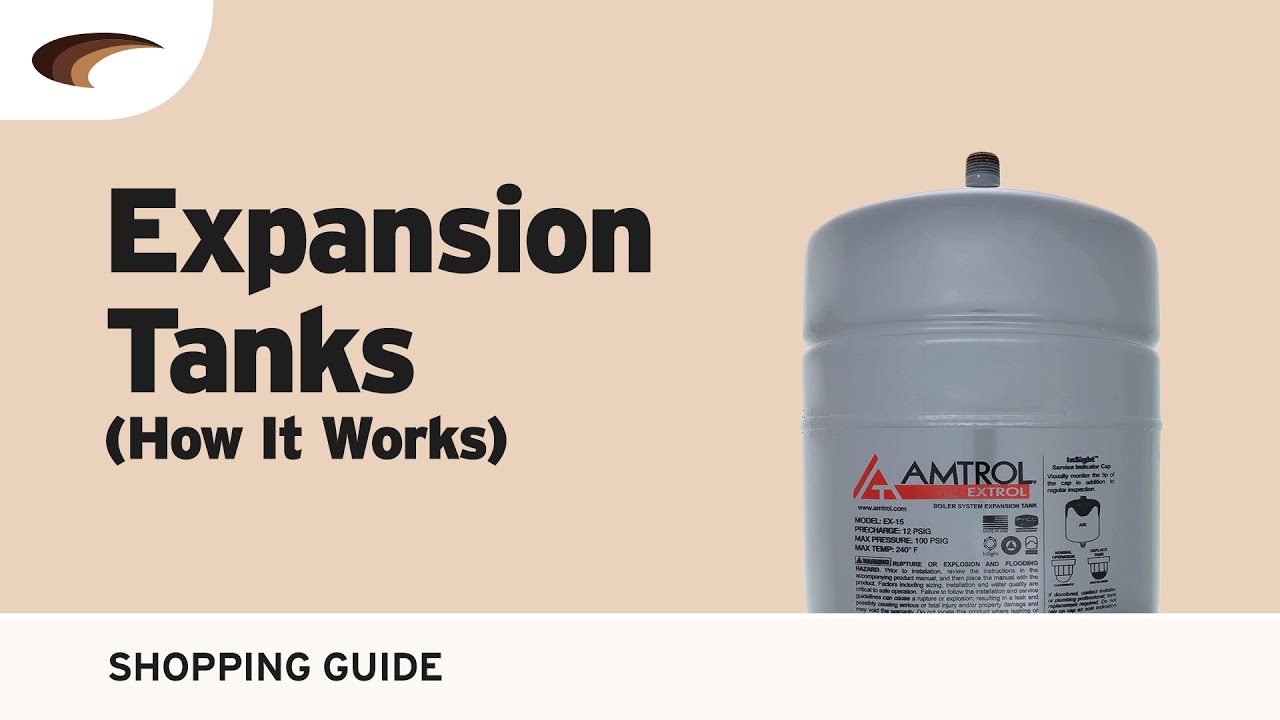
Case in point, the Thermal Expansion Tank. It’s that thing on top of the water heater about the size of a coffeecan, and we get a lot of questions about them. Actually, they come in many different sizes, which differ based on water pressure, the amountof water that is heated, and the temperature the water is heated to.Of all the options for an installation of a water heater, the number one topic of debate is the necessity of the Thermal Expansion Tank.
In my mind there'sno question about it. An expansion tank should be installed with every water heater every time. So often the thought is, “ my old water heater neverhad one, so why do I all of a sudden need one now?” It's a simple matter of physics.
Most people understand that when water is heated it expands.So, If water is expanding, where does this “extra” water go? The Expansion Tank. When sized right and installed correctly, it's the expansion tank'sjob to take on this “extra” water caused by thermal expansion. Thermal expansion tanks have a rubber bladder in them with an “air cushion” on one sideand the other side connected to the water piping. When thermal expansion occurs, the water presses against the bladder and compresses the aircushion on the other side of the bladder to allow for that “extra” water to expand into the thermal expansion tank. When someone opens a faucet thecompressed air presses on the bladder in the other direction to push the excess water back into the plumbing system.
This device sized, tuned, andinstalled correctly minimizes excess pressure caused when water expands from being heated. Okay, so that's the 'what'. Now here's the 'why'.In the past, expansion tanks were not as necessary as they are today.
Back then, when thermal expansion would occur it would push the expanding water backthrough the plumbing system and into the city main. Today's plumbing systems are more sophisticated, utilizing controls and other devices for efficiencyand comfort.
Water Heater Expansion Tank Problems
This often creates what is called a “closed system”, which prevents the expanding water from traveling back in the opposite direction.Many utilities have also been adding check valves to their water meters, so that once city water passes your meter it cannot flow back into the citysupply. This makes your entire home a closed system. Since all of these things could potentially play a part in your plumbing system, the wateris essentially trapped in this closed system until someone opens a valve. Imagine what happens when the water is heated in this closed system. Withnowhere to go the pressure begins to increase substantially as the water tries to expand. This pressure could go well above normal working pressure,and could exceed 150-psi (pounds per square inch) if it weren’t for the safety relief valve.
This valve is designed to open and relieve pressure fromthe water heater when it goes above 150-psi, draining to the floor, then outside the building where it won’t cause water damage. A system without aworking expansion tank can face potentially large swings in water pressure, taxing the glass lining of the water heater, and other plumbing fixturesand components throughout the whole building.The most common problem with expansion tanks is incorrect installation. Our technicians commonly run across expansion tanks that have failed prematurelyand/or were installed incorrectly. Thermal expansion tanks must be properly sized, located, tuned, and checked annually during the annual waterheater maintenance. A good installation will help maintain minimal pressure increase caused by thermal expansion, can reduce water hammer, andhelp protect plumbing components from strain.
An incorrect installation can be as bad as having no expansion tank at all, and sometimes worse.Incorrect installation can be the cause of everything from high water bills and water hammer, to excessive wear on the water heater and plumbingfixtures.There are some circumstances where the Uniform Plumbing Code (608.3 UPC 2009, current adopted plumbing code for Washington State) allowsfor not installing an expansion tank. A typical example is in areas where they have not yet installed a check valve at the meter and the waterheater is not on a closed system. In other words the water can travel back through the meter into the city side as the water heats up and expands.When water is expanding due to heat and can freely travel unobstructed with minimal increase to the system pressure then technically an expansiontank is not needed. If ever this kind of system is inadvertently or purposely changed into a closed system, an expansion tank should be installedto protect the system and the water heater.So, do you really need that thing on the top of your water heater? Ask a good, responsible, professional plumber before you decide.Bruce Davis Sr.Licensed Journeyman PlumberLicensed Electrician, HVAC/RElectrical Administrator, HVAC/RCertified WA State C.E.U.
Download Free Lisp for Calculation of Slope & Gradient Autocad Lisp Download, Download Free Lisp Files, free cad tips and tricks, Read more. How to Draw Grid Lines in AutoCAD With Text – Coordinates Grid. April 18, 2018 Admin Cad, CAD Lisp Library, Free Cad Tips and Tricks, free lisp download, How to draw Grid, jt cad, Tips, Tricks. Sep 19, 2011 Bijoy, Thank you for the LISP, It was very helpful. Quick question; I was wondering how I could edit the LISP in order to change the precision of the coordinates in the table, as I would like to display the eastings and northings without three decimal. Jan 02, 2017 Get Coordinates of Point Lisp w/DCL (XYZ) This is another one I created while learning DCL. It works similar to the command 'ID' but displays the information in a DCL and gives you the ability to pick a new point. Autocad lisp programs. 600+ Download Free LISP Files for AutoCAD Download Free Lisp Files For Level Interpolation Slope and Grade Produced by An Autodesk Educational Product Stamp In AutoCAD 2019 AutoCAD Free Download - Students Version 20 AutoCAD Commands to Speed Up Your Performance How to Draw Grid Lines in AutoCAD With Text - Coordinates Grid.

InstructorBruce Davis Sr is President of, a 60-year old family ownedand operated plumbing and heating business in Lynnwood, Washington.Contact Bruce at: bruce@dayandnite.net16614 13th Ave. W.Lynnwood, WA 98037800-972-7000.